

U.S. Memory Chip Manufacturing: The Best Deal for Growth
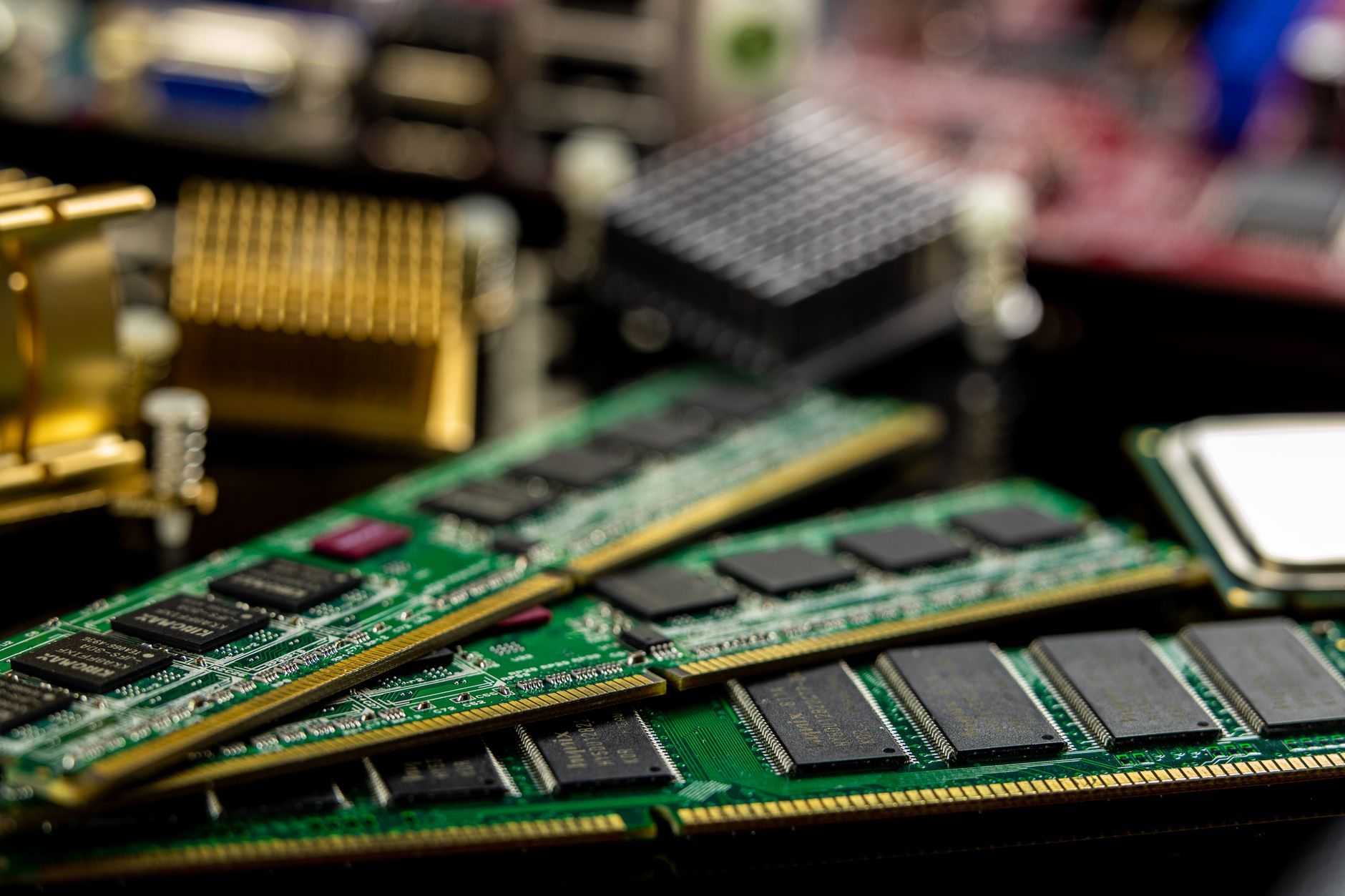
U.S. memory chip manufacturing is gaining attention as SK Hynix and Intel engage in talks for a major deal. This partnership could reshape the semiconductor landscape in the United States.
Overview of U.S. Memory Chip Manufacturing
The landscape of U.S. memory chip manufacturing is rapidly evolving as key players in the semiconductor industry engage in strategic partnerships and collaborations. Recently, reports have emerged of discussions between SK Hynix and Intel aimed at bolstering domestic production capabilities. This move underscores a broader trend towards enhancing local manufacturing in response to global supply chain vulnerabilities.
Several factors are driving the growth of U.S. memory chip manufacturing, including:
- National Security: The U.S. government is keen to reduce reliance on foreign semiconductor sources, especially from geopolitical rivals.
- Investment Incentives: Legislative measures, such as the CHIPS Act, are providing financial support for companies willing to invest in domestic facilities.
- Technological Advancement: Continuous innovation in memory technology is opening new markets and applications, further necessitating increased production capacity.
As the industry adapts to these changes, the future of U.S. memory chip manufacturing looks promising, with potential for significant growth and advancements that could reshape the global semiconductor market.
Impact of SK Hynix and Intel Partnership
The recent partnership talks between SK Hynix and Intel have significant implications for U.S. memory chip manufacturing. This collaboration aims to enhance the production capabilities of both companies, ultimately strengthening the semiconductor ecosystem in the United States.
As global demand for memory chips continues to rise, the need for robust domestic manufacturing becomes increasingly critical. The partnership could lead to substantial investments in U.S. facilities, creating thousands of jobs and fostering innovation in memory technologies.
Additionally, this alliance may encourage other firms to consider similar collaborations, further boosting the U.S. position in the global semiconductor market. The potential establishment of advanced manufacturing plants in the U.S. would not only increase local production but also reduce reliance on foreign suppliers, enhancing national security.
Moreover, such initiatives are in line with the U.S. government’s push to revitalize domestic chip manufacturing, making it a strategic focus for economic growth. The SK Hynix and Intel partnership represents a step towards achieving these goals, paving the way for a more resilient and self-sufficient memory chip sector.
- Increased job opportunities
- Enhanced technological innovation
- Strengthened national security
Future Trends in Semiconductor Industry
The semiconductor industry is poised for significant transformation as U.S. memory chip manufacturing evolves in response to global demands and technological advancements. Several key trends are emerging that could reshape the landscape of this vital sector.
Firstly, there is an increasing emphasis on sustainability and energy efficiency. Manufacturers are investing in greener technologies and practices that not only reduce their carbon footprint but also enhance the performance of memory chips.
Secondly, the rise of artificial intelligence (AI) and machine learning (ML) applications is driving the need for advanced memory solutions. As these technologies demand higher processing power, the U.S. memory chip manufacturing sector is likely to innovate rapidly, focusing on faster and more efficient memory architectures.
Additionally, geopolitical factors are influencing supply chain dynamics. The need for domestic production capabilities has become more pressing, prompting companies to seek partnerships and investments in U.S.-based facilities. This shift is expected to bolster local economies while ensuring a more stable supply of critical components.
In conclusion, the future of U.S. memory chip manufacturing looks promising, with trends indicating a move towards innovation, sustainability, and resilience against global uncertainties.
Challenges Facing Memory Chip Production
The U.S. memory chip manufacturing sector faces several challenges that could hinder its growth potential. One of the primary issues is the significant capital investment required to establish and maintain advanced fabrication facilities. These plants demand cutting-edge technology and skilled labor, which can be costly and time-consuming to develop.
Additionally, global supply chain disruptions have posed considerable risks to production schedules. Events such as natural disasters, geopolitical tensions, and trade restrictions have shown how vulnerable the semiconductor industry can be. This uncertainty makes it difficult for U.S. memory chip manufacturing to operate efficiently and meet demand.
Competition from established players in Asia, particularly South Korea and Taiwan, further complicates the landscape. Companies like Samsung and SK Hynix have already secured strong market positions, leveraging economies of scale to offer lower prices. To remain competitive, U.S. manufacturers must innovate and find ways to reduce production costs without compromising quality.
- High capital investment requirements
- Global supply chain disruptions
- Intense competition from Asian manufacturers
Addressing these challenges will be crucial for the future success of U.S. memory chip manufacturing and its role in the global semiconductor market.
Photo by Sergei Starostin on Pexels