

Wildlife Corridor Napa Valley: Is It the Best Proven Solution?
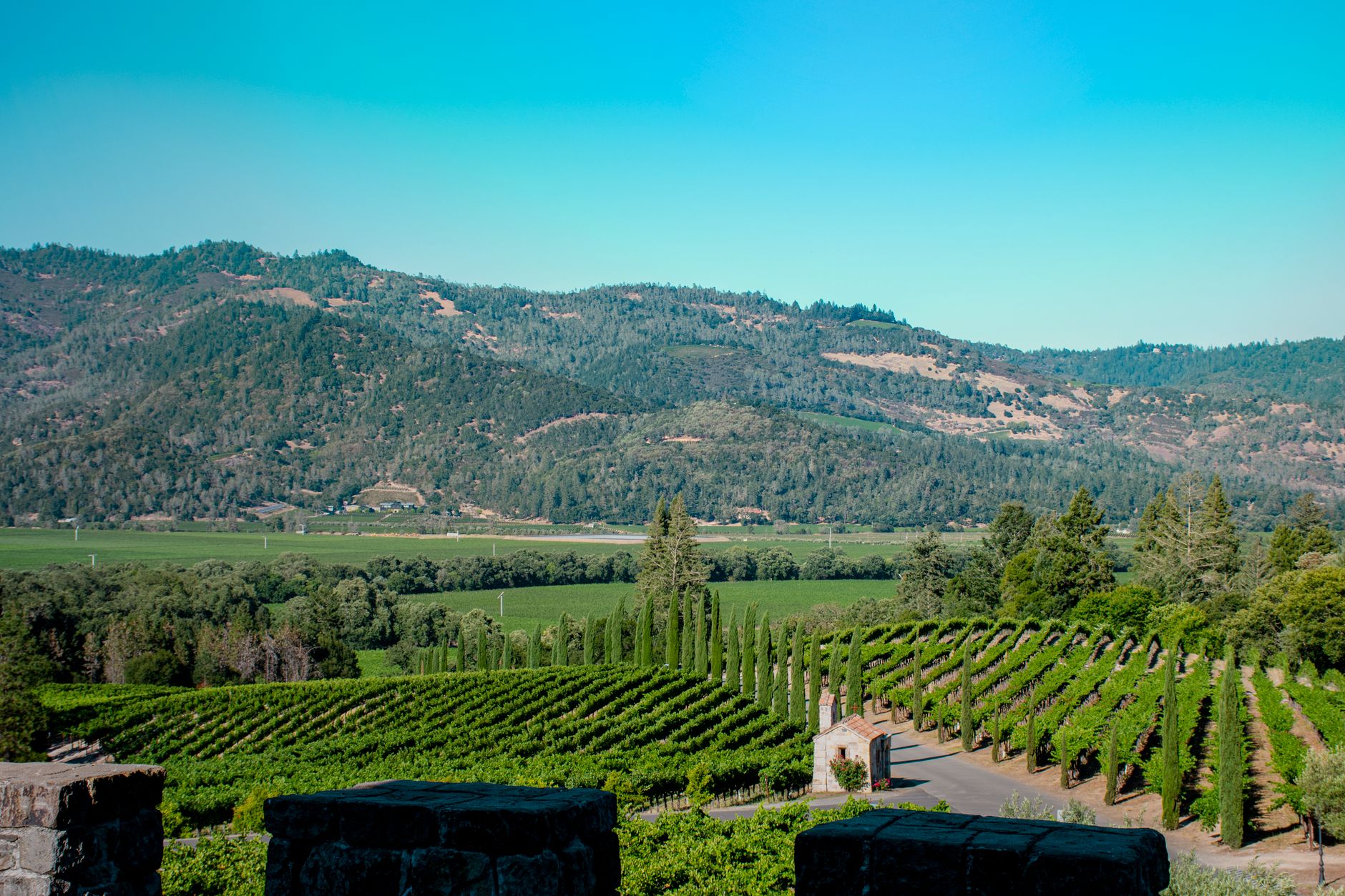
wildlife corridor Napa Valley is an essential initiative that connects various preserves and ranches, enhancing biodiversity and ecosystem health. This new corridor, established through Jane Mead’s estate, showcases the importance of land conservation.
Importance of Wildlife Corridors
Wildlife corridors play a crucial role in the conservation of biodiversity, especially in areas experiencing rapid development. The newly established wildlife corridor Napa Valley, created through significant land donations, highlights the importance of connecting fragmented habitats. This connection allows animals to migrate, find food, and reproduce, which is essential for maintaining healthy populations.
Jane Mead’s generous donation of the 1,318-acre Mead Ranch has become a vital part of this corridor, linking it with the neighboring 2,300-acre Walt Ranch and the 1,380-acre Sutro Preserve. Such initiatives not only support wildlife but also enhance the ecological resilience of the region.
Moreover, wildlife corridors help mitigate the impacts of climate change by providing animals with routes to adapt to shifting environments. They serve as a reminder of the interconnectedness of ecosystems and the importance of preserving natural landscapes for future generations.
In summary, the wildlife corridor Napa Valley exemplifies how strategic land management can foster a thriving ecosystem while benefiting local communities.
The Role of Jane Mead’s Donation
In a significant boost to conservation efforts, poet Jane Mead’s donation of the 1,318-acre Mead Ranch has become a cornerstone in the establishment of a wildlife corridor in Napa Valley. This generous contribution not only preserves the natural beauty of the land but also creates a vital habitat for various species. The connection between Mead Ranch and the adjacent Walt Ranch and Sutro Preserve is essential for promoting biodiversity and facilitating safe animal movement across the region.
The establishment of this wildlife corridor Napa Valley is a testament to the positive impact of philanthropic efforts in environmental conservation. By knitting together these expansive areas, the corridor enhances the resilience of local wildlife populations and provides critical resources such as food and shelter. As communities and conservationists advocate for similar initiatives, Jane Mead’s legacy serves as an inspiring example of how individual contributions can lead to monumental changes in preserving our natural ecosystems.
Through her vision and generosity, the future of Napa Valley’s wildlife looks brighter than ever.
Connecting Walt Ranch and Sutro Preserve
The establishment of a wildlife corridor in Napa Valley is significantly bolstered by Jane Mead’s donation of the 1,318-acre Mead Ranch. This donation creates a vital connection between the Walt Ranch and the Sutro Preserve, enhancing the ecological integrity of the region.
The strategic positioning of these properties allows for a seamless transition for wildlife, offering them a safe passage to migrate, forage, and reproduce without the threats posed by urban development. By knitting together these large tracts of land, the wildlife corridor aims to support diverse species and maintain biodiversity.
The initiative underlines the importance of conservation efforts in Napa Valley, where natural habitats are increasingly at risk. The collaboration between private donors, conservationists, and local communities is crucial in implementing these solutions effectively. As the wildlife corridor Napa Valley takes shape, it represents hope for sustaining the region’s unique ecosystems and the wildlife that inhabits them.
Impact on Local Ecosystems
The establishment of a wildlife corridor in Napa Valley has profound implications for local ecosystems. By connecting critical habitats, this corridor facilitates the movement of various species, promoting genetic diversity and reducing the risks associated with inbreeding. Wildlife corridors serve as lifelines for animals, allowing them to access food, water, and mating opportunities that are essential for their survival.
Moreover, the presence of a wildlife corridor in Napa Valley could significantly enhance the resilience of local ecosystems against the impacts of climate change. As species migrate in response to shifting climates, these corridors provide safe pathways, ensuring that wildlife can find suitable habitats amidst changing environmental conditions.
Additionally, the corridor can help mitigate human-wildlife conflicts by reducing the chances of animals venturing into urban areas in search of resources. By preserving the natural landscape, stakeholders can promote a healthier ecosystem that benefits both wildlife and the local community.
- Enhanced biodiversity through habitat connectivity.
- Improved resilience to climate change effects.
- Reduced human-wildlife conflicts by preserving natural landscapes.
Community Involvement in Conservation
Community involvement is crucial in the development and sustainability of the wildlife corridor Napa Valley. Local residents have shown significant interest in conservation efforts, recognizing the benefits of a connected ecosystem. Engaging the community not only raises awareness but also fosters a sense of ownership and responsibility towards the natural environment.
Various initiatives have emerged, encouraging individuals to participate in conservation activities. These include:
- Volunteer Programs: Residents can join local organizations for habitat restoration and monitoring wildlife populations.
- Educational Workshops: Workshops help inform the public about the importance of wildlife corridors and their role in biodiversity.
- Community Meetings: Regular gatherings allow citizens to voice their opinions and collaborate on conservation strategies.
By working together, the community aims to ensure the success of the wildlife corridor Napa Valley, creating a safer passage for various species and preserving the region’s rich biodiversity for future generations.
Future of Napa Valley Wildlife
The future of Napa Valley wildlife hinges on the successful implementation of the wildlife corridor initiative. This corridor aims to bridge vital habitats and ensure the survival of various species that call this region home. By connecting the Mead Ranch, Walt Ranch, and Sutro Preserve, the corridor not only preserves biodiversity but also enhances the resilience of local ecosystems.
As wildlife faces increasing pressures from urban development and climate change, initiatives like the wildlife corridor Napa Valley become essential. They create safe passage routes for animals, reducing road mortality and allowing for genetic diversity among populations. Additionally, these corridors promote ecological balance by facilitating plant and animal migration.
Community involvement remains a driving force in this project. Local residents, conservationists, and policy-makers are uniting to advocate for sustainable practices and conservation efforts that support this vital initiative. With continued dedication and collaboration, the future of Napa Valley wildlife can be safeguarded, ensuring that future generations experience the rich natural heritage of this remarkable region.
Challenges in Conservation Efforts
The establishment of a wildlife corridor in Napa Valley faces several challenges that conservationists must navigate to achieve success. One significant hurdle is the fragmentation of habitats caused by urban development and agricultural expansion. This disruption not only isolates wildlife populations but also limits their ability to migrate, breed, and thrive.
Moreover, landowners may be hesitant to participate in conservation efforts, fearing restrictions on land use or loss of property value. Building trust and fostering collaboration among stakeholders is crucial for overcoming these concerns. Additionally, funding for conservation projects often falls short, making it difficult to implement and maintain wildlife corridors effectively.
Climate change further complicates these efforts, altering habitats and affecting species migration patterns. As the region grapples with these challenges, the importance of a robust wildlife corridor in Napa Valley remains clear, emphasizing the need for innovative solutions and community engagement to secure a sustainable future for local wildlife.
The wildlife corridor Napa Valley has been a topic of extensive debate among conservationists and local communities. Many believe that implementing a wildlife corridor Napa Valley could significantly enhance biodiversity and reduce animal-vehicle collisions.
Photo by Gabriel Tovar on Pexels
Where this came from
Is the Creator Marketing Platform Worth the Investment? · Ticketmaster app update: Is it the best smart tool for fans? · O3b mPOWER satellite launch: The Complete Success Story