

How to Train Your Body and Mind for the EBC Trek
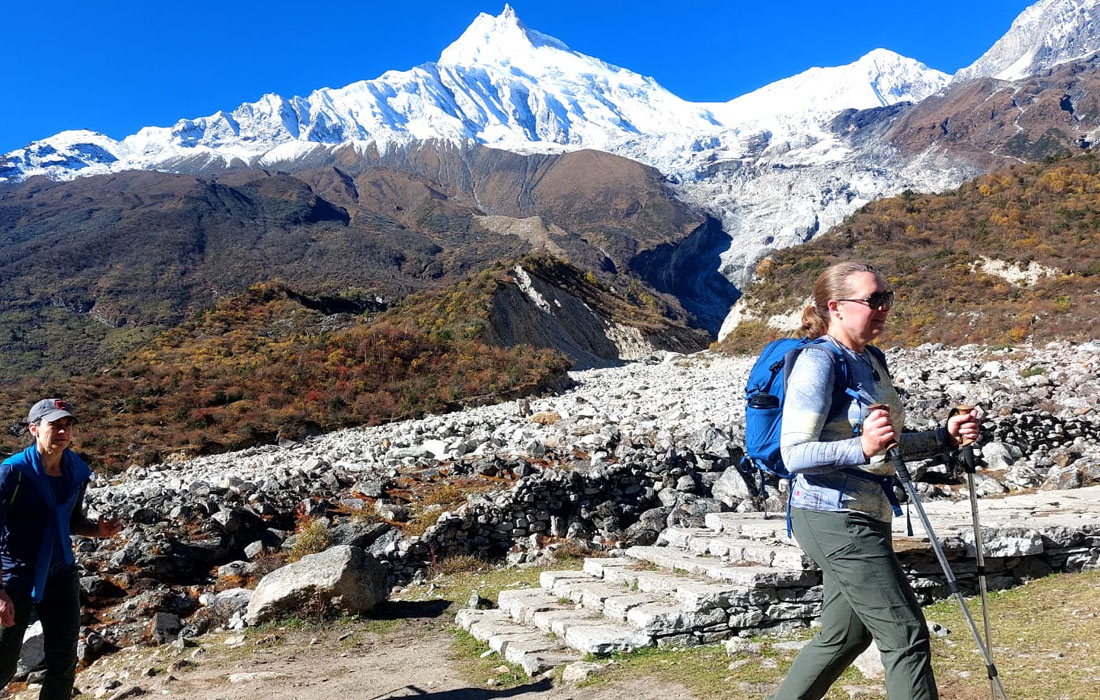

There’s a lot more to do in comparison with buying a ticket if you want to complete the Everest Base Camp Trek. You don’t have to be a super-athlete, but you need to prepare your body and mind to cope with the distinctive physical and mental challenges that is trekking at altitude. It is through this training that you are going to not only get to Everest Base Camp itself, but really be able to enjoy getting there, reduce your chances of experiencing altitude sickness and exhaustion long before you even arrive at the location. A disciplined training regimen that starts months before you leave eliminates the horror of having a trek feel like an ultra-endurance race.
Cardio Training: The Engine for Your Hike
The cornerstone of any good training regimen for the Everest Base Camp Trek to some good cardiovascular fitness. You’ll be out walking shanks’s pony for 5-8 hours each day and much of it up and down some steep, sometimes rocky tracks, so a fine pair of legs, good heart, and good pair of lungs are really useful because to put a thousand odd feet on the ground it’s hard work. 2- Do running, fast walking, swimming, or biking in addition to your workout 3-4 times a week. The goal is to progress to hiking or walking for several hours with a daypack, recreating the conditions of the trek. Then, concentrate more on duration than distance, and if you live in a relatively flat or rolling area, employ such stair-stepper machines or set the treadmill’s incline angle to a high setting to reproduce the effort of the long uphill drags of the Himalayas.
Strength Training: Building a Foundation
And even though cardio is, of course, crucial to your success on your EBC Trek, so too is strength building! And the legs, mercifully saved from a semi-permanent ache by bearing your daypack and traversing various terrains, include 3 strength-schooling workouts per week. Consciousness on compound movements that paintings multiple muscle groups at a time, such as squats, lunges, deadlifts, and step-ups. They’re great as preparation and strength-building exercises for the leg and core work that’s needed to endure long days on the trail, and for the load-bearing that will protect your joints on the descents. Be sure not to forget your shoulders and back, however, since you’ll soon be carrying that backpack around for long hours.
The Importance of Practice Hikes
The only possible training for the Everest Base Camp Hike is hiking. Start with short local hikes and work your way up to longer and longer distances over the course of your outing. Work in a couple of longer hikes (five to six hours) with minimal breaks. But most of all, wear the boots with which you will walk and carry a backpack that weighs as much as your daypack will. This will allow you to break in your gear and make any discoveries — like problem hot spots, irritating straps, or boots you can’t wear — well in advance of the time you land in Nepal. The same is true for walking on uneven ground; doing so will increase the strength and stability in your ankles, which will be your best friends on the rocky trails of the Khumbu.
Get in Your Head With Mental Motivation
Aid work had exposed me to some of the worst that the world had to offer, and I’d kept in shape by clambering up the highest mountains on five continents, which was just as well because the mental challenges of climbing are every bit as tough, if not tougher, than the physical ones on the Everest Base Camp Trek. Fatigue, col,d, and altitude can lead to self-doubt and irritability. So mentally preparing yourself that this is resiliency and having the right mindset. One good strategy is to break the walk down into bite-sized intermediate goals. Don’t even think about the entire distance to Base Camp, just consider getting to the next teahouse or the next rest point over there. “Mindfulness and visualization can also play a big role. Picture Yourself in a Safe Place. Use visualization as a technique for self-assurance and for a calm and focused mind.
Managing Expectations and Embracing Discomfort
Being mentally ready is also somewhat about getting your expectations in check. Traversing Everest Base Camp comes at a cost much larger than money — it means sacrificing some creature comforts. I’d be prepared for your damp lodgings, chilly beds, and lack of access to creature comforts. Receive them as part of the adventure. The hike is all about discomfort, and teaching yourself the ability to be O.K. with that, to even humor in it and delight in the absurdity and beauty of struggle, is a powerful kind of mental training. Realistic expectations of what’s to come will stave off frustration on the trail.
Slowing down can have its rewards.
One of the things they ण teach you on the trek is easy does it. This is not a race. Slow walking — the Nepali flat, as it’s known affectionately — is good for saving energy, sure, but more importantly, it’s good for acclimatizing the body to new heights. The ultra-hiker who hikes at too fast a pace has an even greater likelihood of getting altitude sickness. Your hiking should provide you with the ability to travel flat and rapidly for extended intervals, take individuals as they technique, and handle them at a first-rate, regular pace, lengthy haul ecig battery whilst the trail turns up and becomes extra challenging.
Hydration, vitamins, and Sleep
So long we are right here, though: hydration, eating, and slumbering are just as key to your coaching as they’ll be on the trail. Dehydration can exacerbate altitude sickness, so begin your training with your pack loaded with water. “You need a good fuel source to get through, and make sure you have all the food groups —carbs and some protein.” And create a routine of trying to prioritize sleep. High-altitude sleep can be challenging, and when we add physical work to that equation, we want to make sure your body is primed for sleep and recovery.
Last Word: From Practice to Pilgrims
Base Camp trek is your initiation and preparation for your EBC trek! Tack a mix of cardio and strength work, as well as practice hikes and toughening up mentally, and you will arrive in Nepal ready to hit the mountains. The finest trekkers aren’t the fittest, but the best at adjusting and persisting. Your dedication to the program will not only help you reach Everest Base Camp, but it will also help you stop and smell the roses and yak dung literally.