

Quantum device simulation: Proven method for matter creation
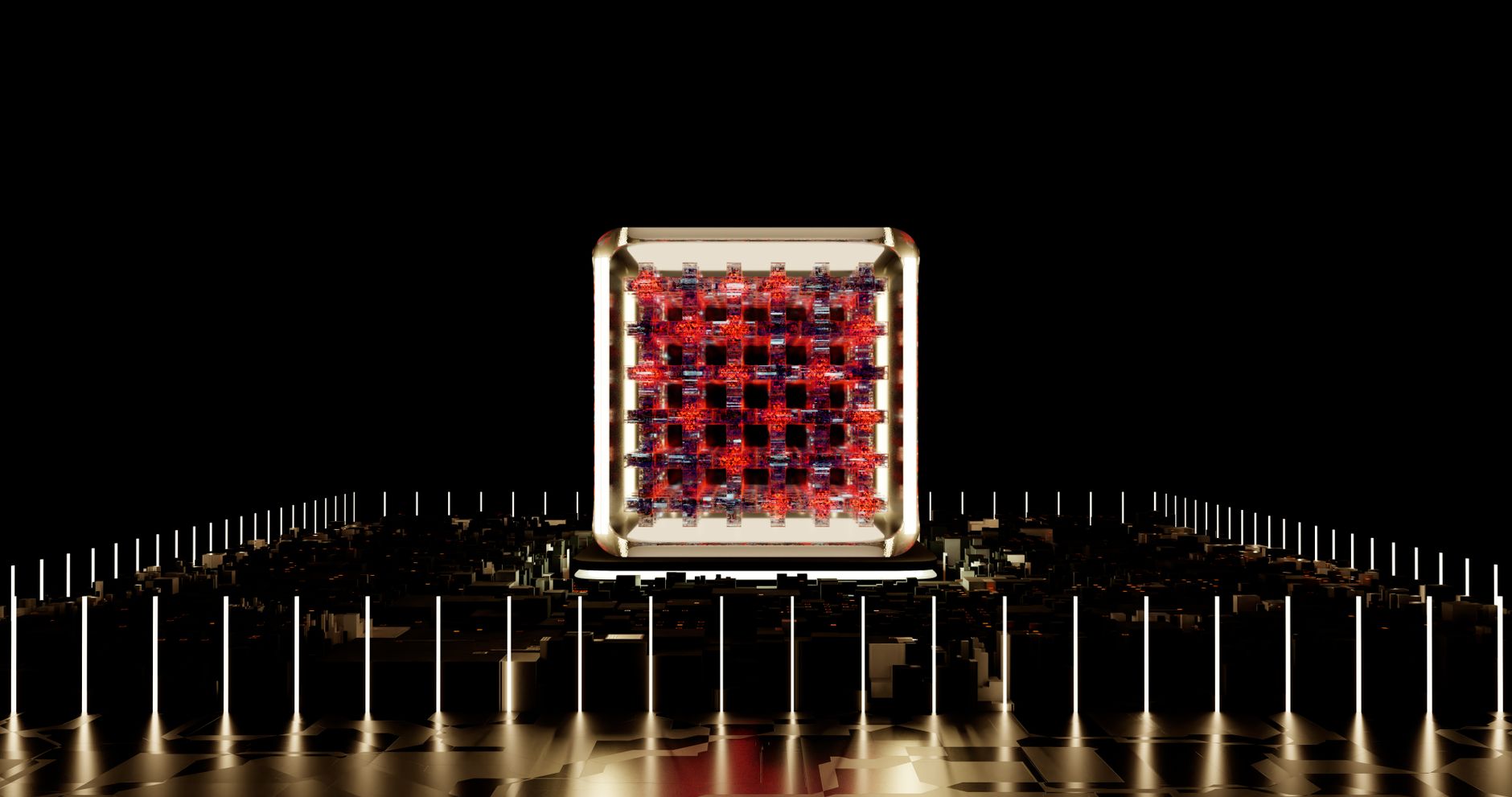
quantum device simulation is revolutionizing our understanding of how matter can pop into existence. Recent developments in this field showcase innovative methods that challenge traditional physics.
What is a quantum device simulation?
Quantum device simulation refers to the computational modeling of quantum systems to understand their behavior and properties. These simulations utilize quantum mechanics principles to replicate how particles and matter interact at the subatomic level. By employing sophisticated algorithms and advanced computational techniques, scientists can explore scenarios that would be impossible to replicate in traditional laboratory settings.
One primary purpose of quantum device simulation is to gain insights into complex quantum phenomena, such as:
- Particle interactions: Understanding how particles like electrons and photons interact can lead to groundbreaking discoveries in materials science.
- Quantum entanglement: This phenomenon, where particles become interconnected regardless of distance, plays a crucial role in developing quantum computing technologies.
- Phase transitions: Studying how materials change state under different conditions can help in designing new materials with desired properties.
Recent advancements in quantum device simulation have demonstrated the capability to simulate matter popping into existence, showcasing the potential of these simulations to reveal the fundamental nature of reality. Researchers believe that as quantum computing technology evolves, the accuracy and efficiency of quantum device simulations will significantly improve, paving the way for new discoveries and applications in various fields, including medicine, energy, and materials engineering.
How does this technology work?
The technology behind quantum device simulation operates on the principles of quantum mechanics, allowing researchers to explore complex interactions at the subatomic level. By leveraging the unique properties of quantum bits, or qubits, these simulations provide insights into the behavior of matter under various conditions.
At the core of this simulation process are several key components:
- Quantum Entanglement: This phenomenon enables qubits to become interconnected, so that the state of one qubit directly influences the state of another, regardless of the distance separating them.
- Superposition: Qubits can exist in multiple states simultaneously, allowing for vast computational possibilities. This property is crucial for simulating complex systems in ways that classical computing cannot achieve.
- Quantum Gates: These are the building blocks of quantum circuits, manipulating qubits to perform calculations. By applying sequences of quantum gates, researchers can model the interactions of particles in a controlled environment.
Through quantum device simulation, scientists can replicate scenarios that lead to the creation of matter, such as particle-antiparticle pairs emerging from vacuum states. This not only deepens our understanding of the universe but also opens avenues for advancements in materials science and quantum computing.
Implications for future research
The development of quantum device simulation has profound implications for future research across various scientific fields. As researchers continue to explore the intricacies of quantum mechanics, this technology could transform our understanding of fundamental processes in nature.
One significant area of impact is in materials science. By accurately simulating quantum devices, scientists can predict the properties of new materials before they are synthesized in the laboratory. This could lead to the discovery of innovative materials with tailored functionalities for use in electronics, energy storage, and beyond.
Another critical implication is in the realm of pharmaceuticals. Quantum device simulation may enable researchers to model complex biological interactions at the quantum level, thus accelerating drug discovery and development. By understanding how molecules interact within a quantum framework, more effective therapies could be designed, potentially leading to breakthroughs in treating diseases.
Moreover, the advancements in quantum device simulation can enhance our grasp of cosmology and fundamental physics. With the capacity to simulate conditions similar to those of the early universe, researchers might gain insights into the nature of dark matter and dark energy, which remain some of the most enigmatic aspects of our universe.
In summary, the implications of quantum device simulation are vast, promising to unlock new avenues of research that could significantly impact technology, medicine, and our understanding of the universe.
Challenges in quantum simulations
Despite the promising advancements in quantum device simulation, researchers face several challenges that must be addressed to enhance the accuracy and reliability of these simulations.
- Computational Limitations: Quantum simulations often require immense computational resources. The complexity of simulating quantum systems increases exponentially with the number of particles involved, leading to significant challenges in processing power and time.
- Noise and Errors: Quantum devices are inherently susceptible to noise, which can introduce errors in simulations. These errors can arise from environmental interactions, equipment imperfections, or other unpredictable factors, making it difficult to obtain precise results.
- Modeling Complex Systems: While quantum device simulation has made strides in modeling simpler systems, accurately simulating more complex interactions, such as those found in biological systems or high-temperature superconductors, remains a significant hurdle.
- Scalability: Current quantum devices are limited in their scalability. As researchers attempt to simulate larger systems, the existing technology may not support the necessary number of qubits, hindering progress in the field.
Overcoming these challenges is crucial for the continued evolution of quantum device simulation, as it holds the key to unlocking new possibilities in material science, drug discovery, and fundamental physics. Researchers are actively working on innovative approaches to enhance the capabilities of quantum simulations, paving the way for breakthroughs in the understanding of matter creation.
Real-world applications of quantum technology
The advancements in quantum device simulation are making significant strides in various fields, offering promising real-world applications that could transform industries.
One of the most notable applications is in the area of material science. Researchers are using quantum simulations to design new materials with specific properties. By simulating atomic interactions, scientists can predict how materials will behave under different conditions, leading to the discovery of innovative materials that could revolutionize electronics, energy storage, and even healthcare.
Another critical application is in pharmaceutical development. Quantum device simulations allow researchers to model complex molecular interactions, expediting the drug discovery process. This can lead to faster identification of potential drug candidates, reducing the time and cost associated with bringing new medications to market.
Furthermore, quantum simulations play a pivotal role in quantum computing. By simulating quantum algorithms, researchers can optimize their performance and troubleshoot potential issues before they are implemented on actual quantum hardware. This not only enhances the efficiency of quantum computing but also brings practical applications closer to realization.
In the realm of energy systems, quantum simulations can help in optimizing energy distribution and improving the efficiency of renewable energy sources. These advancements can contribute to a more sustainable future, demonstrating the far-reaching implications of quantum device simulation.
Recent breakthroughs in the field
Recent breakthroughs in the field of quantum device simulation have opened up new avenues for understanding the fundamental aspects of matter creation. Researchers have successfully developed models that allow for the simulation of quantum systems that can mimic the conditions under which matter is believed to emerge from quantum fluctuations.
One significant advancement involves the use of ultra-cold atoms in optical lattices. This technique enables scientists to observe phenomena that were previously theoretical, such as the spontaneous generation of particle-antiparticle pairs. These simulations provide invaluable insights into the interactions and behaviors of particles in extreme environments, paving the way for enhanced theoretical frameworks in physics.
Another notable achievement is the integration of machine learning algorithms with quantum device simulation. By combining these technologies, researchers can efficiently analyze complex quantum states and predict outcomes of experiments that would be infeasible to conduct in the lab. This approach not only accelerates discovery but also enhances the accuracy of simulations, allowing for deeper exploration into quantum mechanics.
Moreover, advancements in quantum error correction techniques have significantly improved the reliability of simulations. These developments are crucial for future research, as they mitigate the impact of decoherence and noise, which have historically plagued quantum experiments.
As the field progresses, the implications of these breakthroughs could extend beyond theoretical physics, potentially influencing various domains, including materials science and quantum computing.
Photo by Pachon in Motion on Pexels
References
Related stories
League of Legends Voice Chat: What’s the Real Delay? · OPPO K14 Plus features: Is it the best phone of 2023? · Injustice 3 leak: Is it the best reveal for DC fans?