

Choosing the Right Streaming Service: What Viewers Should Look For
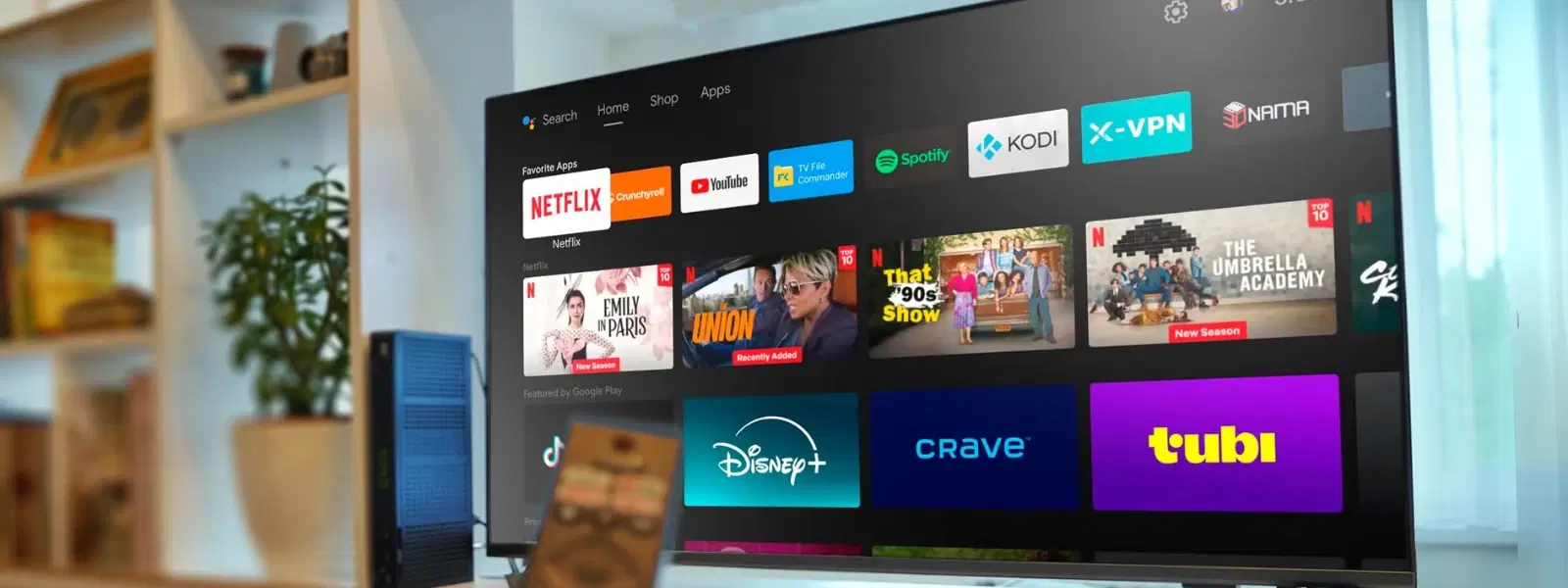
The streaming market has expanded to a point where choice itself has become a challenge. Viewers who want to access quality digital television content face a crowded landscape of platforms, pricing tiers, tvapp content libraries, and device compatibility requirements. Making an informed decision requires knowing what to evaluate—and understanding which factors actually affect the day-to-day viewing experience. This guide breaks down the key criteria viewers should consider when selecting a streaming platform, offering a practical framework for cutting through the noise.
What Content Library Depth Actually Means for Viewers
Content library size is frequently cited in platform marketing, but raw volume is a misleading metric. A library containing a large number of titles is only valuable if those titles are relevant to the viewer’s tastes and regularly refreshed with new additions.
More meaningful than total title count are factors like genre diversity, original content quality, and library renewal rate. Platforms that invest in exclusive original productions tend to differentiate themselves more effectively than those relying solely on licensed third-party content, which can disappear suddenly when licensing agreements expire.
How to Evaluate Streaming Quality Before Committing to a Subscription
Video quality is difficult to assess from a platform’s marketing materials. Most services advertise their maximum available resolution without clarifying that this quality tier often requires a higher-priced subscription plan, specific device support, and a fast internet connection.
Practical evaluation steps include:
Review the subscription tier structure: Identify which plan is required to access the resolution and audio quality you want.
Check device compatibility: Confirm that your television, phone, or tablet supports the platform’s highest available streaming quality.
Read independent user reviews: Viewer forums and review platforms often surface recurring technical issues that official marketing materials omit.
Use free trials strategically: Many platforms offer trial periods specifically designed to let new users assess content and quality before committing.
Pricing Models and Value: Subscription, Ad-Supported, or Pay-Per-View?
Streaming platforms offer several distinct pricing models, each suited to different viewing habits and budget considerations.
Ad-supported tiers provide access at reduced or no cost in exchange for periodic advertisements during playback. These plans work well for casual viewers who watch infrequently and are comfortable with interruptions. Subscription-based plans remove advertisements and typically unlock higher-quality streaming, making them the preferred choice for regular viewers. Pay-per-view models suit occasional viewers who want access to specific events or titles without a recurring commitment.
Choosing the right model depends on viewing frequency, content preferences, and tolerance for advertising interruptions. Neither model is universally superior—the right choice varies by viewer.
Device Compatibility: Why It Matters More Than Most People Realize
A streaming subscription has limited value if the platform doesn’t work on the devices a viewer actually uses. Before committing, verifying compatibility across all intended devices—smart TV, smartphone, tablet, laptop, and gaming console—is essential.
Some platforms impose simultaneous stream limits, meaning a household can only watch on a fixed number of devices at the same time. For families or shared households, this limit can become a practical frustration that affects daily usability.
Customer Support and Platform Reliability: The Factors Viewers Overlook
Technical issues with streaming platforms are inevitable. Billing errors, playback problems, account access issues, and content availability questions all arise over time. The quality of a platform’s customer support determines how quickly and effectively these problems are resolved.
Platforms with responsive, multi-channel support—including live chat, email, and comprehensive self-service documentation—provide a materially better ownership experience than those offering only automated responses or limited contact options.
Platform reliability, measured by historical uptime and incident response quality, is equally important. A service that frequently experiences outages during peak hours undermines the viewer’s ability to rely on it as a primary entertainment source.
Selecting a streaming platform is a decision worth making deliberately. The right choice aligns content library, technical quality, pricing, and device support with a viewer’s specific habits—delivering consistent value rather than occasional frustration.